.svg)

Sébastien Estines
Co-founder Lyzi
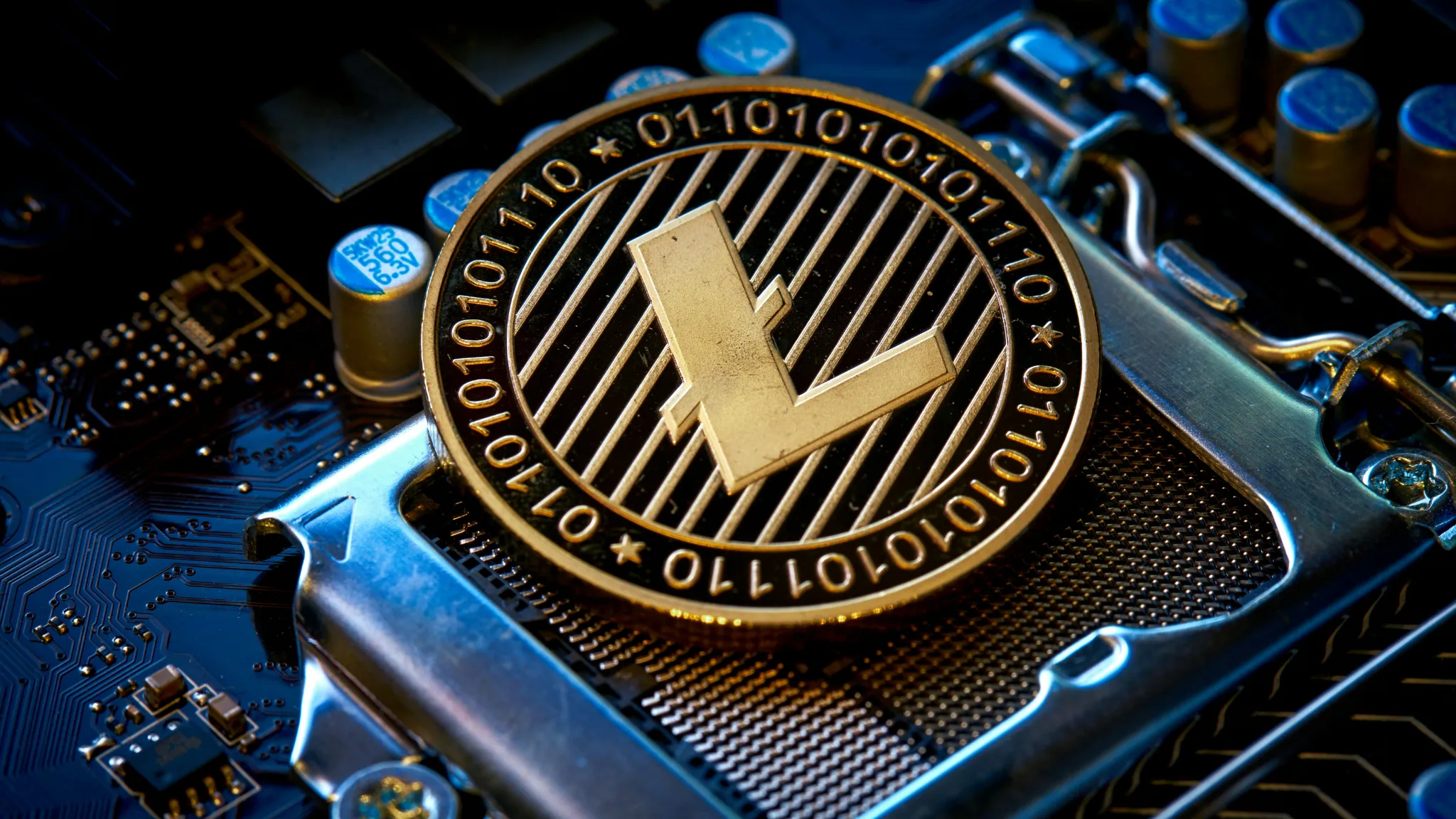
In the ever-expanding world of cryptocurrencies, Litecoin is emerging as a key player. Often overshadowed by its more famous counterpart, Bitcoin, Litecoin offers a unique blend of speed, accessibility, and innovation.
For those new to the world of digital currencies, understanding Litecoin is crucial to understanding the broader dynamics of the crypto market. Let's embark on a journey to demystify Litecoin and explore its meaning in the crypto ecosystem.
The Litecoin story starts in 2011, created by Charlie Lee, a visionary who worked at Google. Lee aimed to create a lighter version of Bitcoin, addressing its limitations, especially in terms of transaction speed and scalability.
Litecoin was not meant to replace Bitcoin, but to complement it, similar to the relationship between silver and gold in traditional finance. As Lee explained, “Litecoin is meant to be used for smaller transactions, while Bitcoin is more of a store of value.” (Charlie Lee, Creator of Litecoin)
The most notable feature of Litecoin is its transaction speed. It processes blocks every 2.5 minutes, much faster than Bitcoin's 10-minute interval. This speed is a game changer for real world transactions, making Litecoin a convenient alternative for everyday use.
Unlike Bitcoin's SHA-256, Litecoin uses the Scrypt algorithm in its proof-of-work process. Initially, this made Litecoin more accessible for individual miners, although the landscape has evolved with the advent of more advanced mining technologies.
The Litecoin coin limit is set at 84 million, four times that of Bitcoin's 21 million. This was a strategic decision to make money more accessible and reduce the risk of excessive accumulation, potentially leading to a more stable and democratic currency.
In terms of market capitalization, Litecoin regularly ranks among the top cryptocurrencies. This enduring presence reflects his trustworthiness and the trust he has built within the crypto community.
The usefulness of Litecoin goes beyond a simple numerical value; it is a functional currency with various applications:
Businesses around the world have started accepting Litecoin, recognizing its potential as a viable payment method. This adoption not only enhances the usefulness of Litecoin but also strengthens its position in the digital economy.
It's critical to understand that Litecoin and Bitcoin serve different purposes in the crypto ecosystem. Designing Litecoin as a lighter and faster alternative positions it as a convenient way for transactions, while Bitcoin is often seen as a store of value or digital gold. This distinction is crucial for investors and users to determine how best to use each currency.
Going forward, Litecoin seems ready for continued growth and evolution. Its robust community, continued development, and real-world applications suggest that it will remain a significant player in the crypto market. As with any technology, it's important to stay up to date with developments and trends in the Litecoin ecosystem.
As with any investment, there are risks associated with Litecoin. Market volatility, regulatory changes, and technological advancements can all influence its value. Potential investors should consider these factors and consult financial experts before making investment decisions.
Litecoin is emerging as a pioneer force in the crypto world, embodying innovation and adaptability. For those new to cryptocurrency, understanding the role of Litecoin is crucial for a comprehensive understanding of the digital finance landscape. It offers a window into the possibilities of blockchain technology and the future of money.
Stay up to date and explore the exciting world of Litecoin and other cryptocurrencies. Follow the latest news and insights on https://lyzi.io/, your first choice destination for all things crypto and web3.
Disclaimer: This article is for informational purposes only and should not be considered financial advice. Always do your own research and consult financial experts before making investment decisions.