Introduction to DAOs
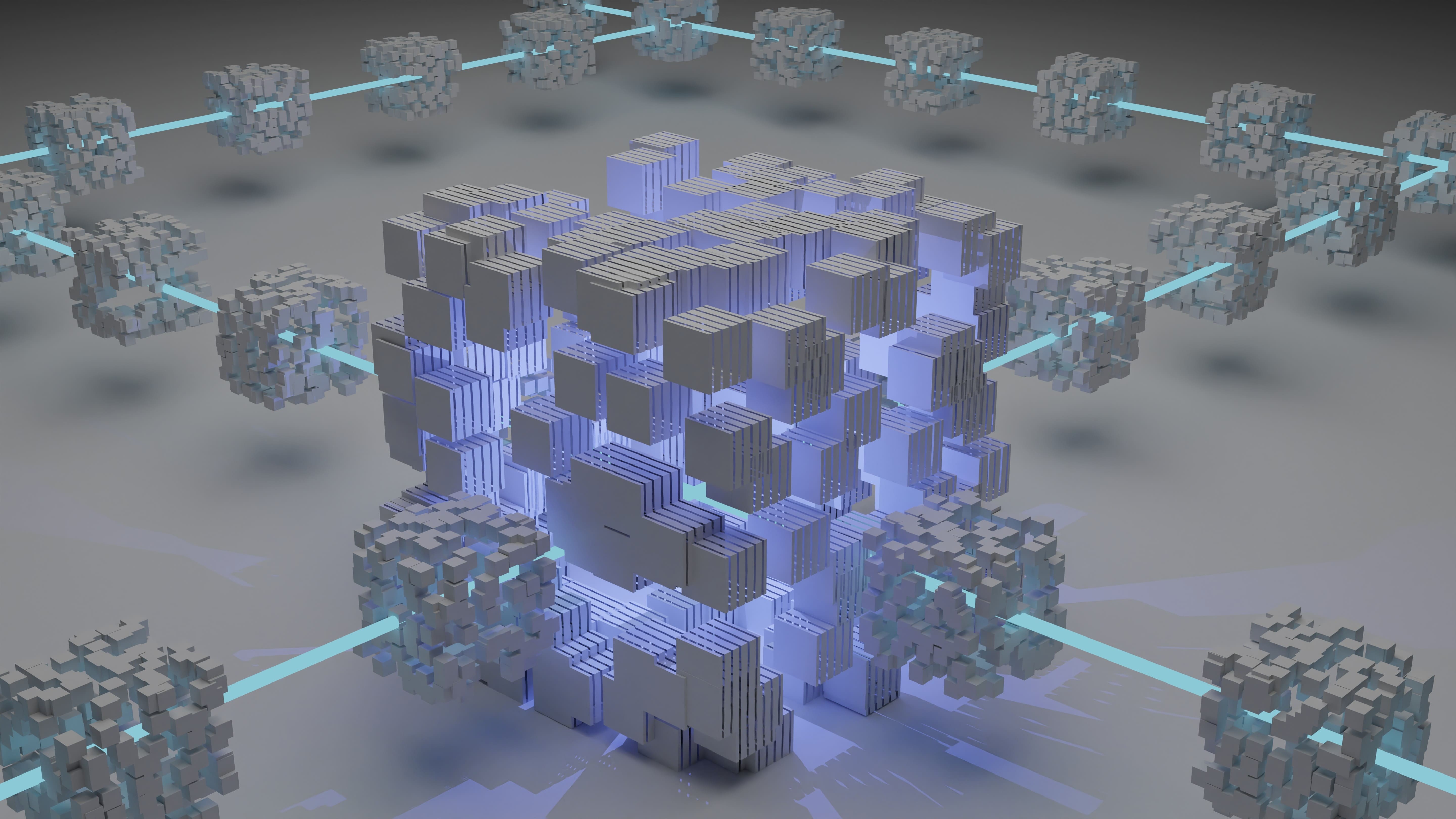
Decentralized Autonomous Organizations (DAO) represent a revolutionary change in the way organizations are managed and governed. In the Web3 space, DAOs play a central role, allowing for a level of decentralization and community governance that was previously inaccessible.
Basic concept of CAD
At its core, a DAO is an entity that has no central authority. Instead, it works on blockchain technology, where rules are coded into smart contracts. These smart contracts are transparent, verifiable, and automatically execute transactions or enforce rules without human intervention. This ensures that all members have a say in decision-making, in proportion to their participation in or investment in the DAO.
Benefits of CAD in Web3
- Decentralization: By distributing power among its members, DAOs avoid the pitfalls of centralized governance.
- Transparency: Every financial action and transaction is recorded on the blockchain, which guarantees total transparency.
- Global participation: DAOs allow for global involvement, regardless of geographic location.
- Innovation: DAOs promote a collaborative environment that can accelerate innovation in various sectors, especially in blockchain and cryptocurrency initiatives.
Examples of using CAD
- Governance in DeFi platforms: Many decentralized financial (DeFi) platforms use DAOs for governance decisions, such as adjusting protocol rules or allocating funds.
- Crowdfunding and investing: DAOs can pool resources for collective investments or to finance innovative projects.
- Community-led projects: They allow communities to collectively guide projects, from NFT collections to social initiatives.
Challenges and Considerations
While DAOs offer significant benefits, there are challenges, such as:
- Security risks: The use of smart contracts means that all vulnerabilities in the code can be exploited.
- Regulatory uncertainty: DAOs navigate a complex regulatory landscape, which can impact their operation and legality.
- Complexity of coordination: It can be difficult to reach consensus within a large decentralized group.
Conclusion: the future of DAOs in Web3
DAOs are much more than just technological innovation; they represent a new paradigm in organizational structure and governance. As Web3 continues to evolve, DAOs are expected to play a crucial role in creating a more decentralized, transparent, and equitable Internet.
Additional reading and resources
For those interested in learning more about DAOs and their impact on Web3, consider visiting Blockchain Council, Coindesk DAO coverage, and Introduction to the Ethereum DAO.


.svg)